
Lessons From Pixar's USD
Pixar created an interchange format for organizations to design complex 3D things. What can CAD learn from USD?
One of the more interesting trends in design software over the last decade has been the creation of software that’s aimed at enabling groups of people to collaborate on complex projects.
When large organizations of people create something complex, like an animated feature film or a building, it requires that specialists be able to contribute their part to collective effort. Each specialist has a unique job to perform, and they frequently may need to use specialized applications that are tailored for their role.
The more complex a project is and the more people that contribute to it, the harder it becomes to integrate their work into the larger whole. When the thing being designed requires pulling all the parts together to see how they fit, getting all the different kinds of software to speak to one another becomes a huge headache.
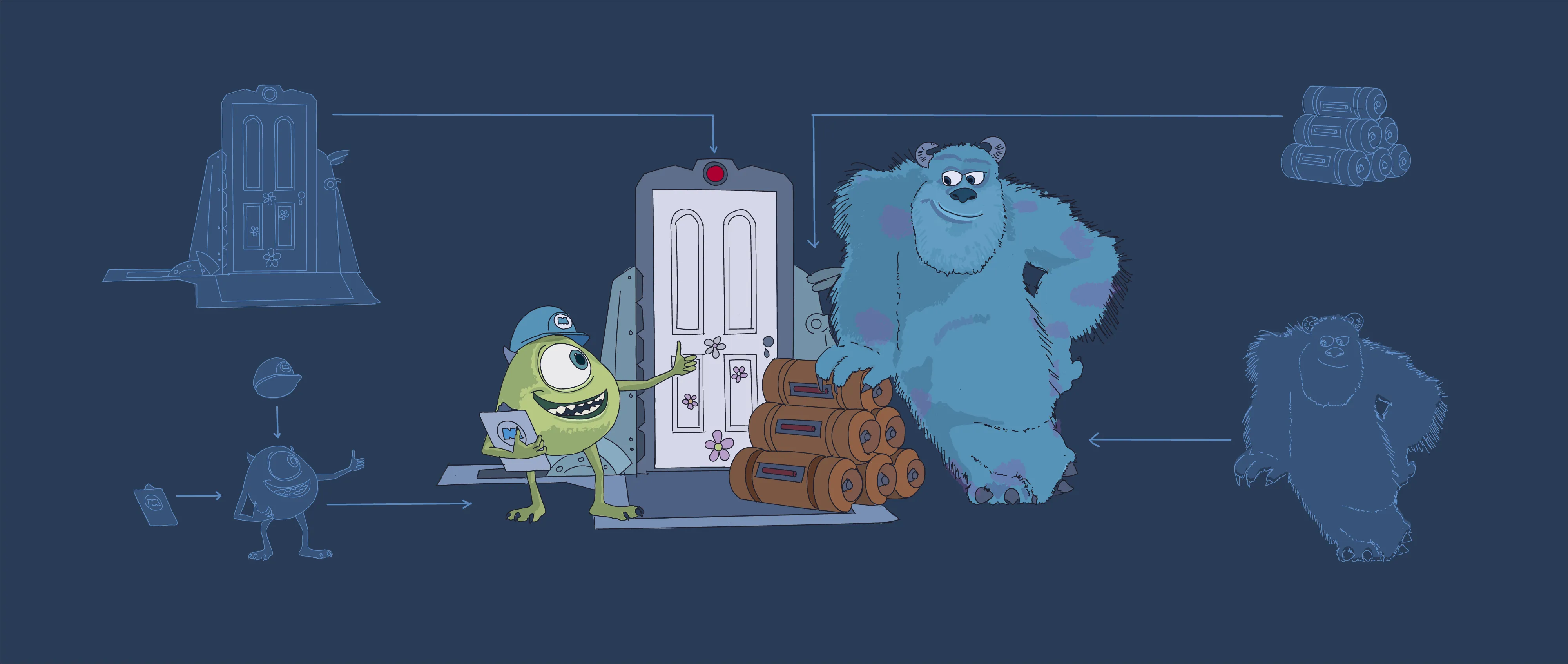
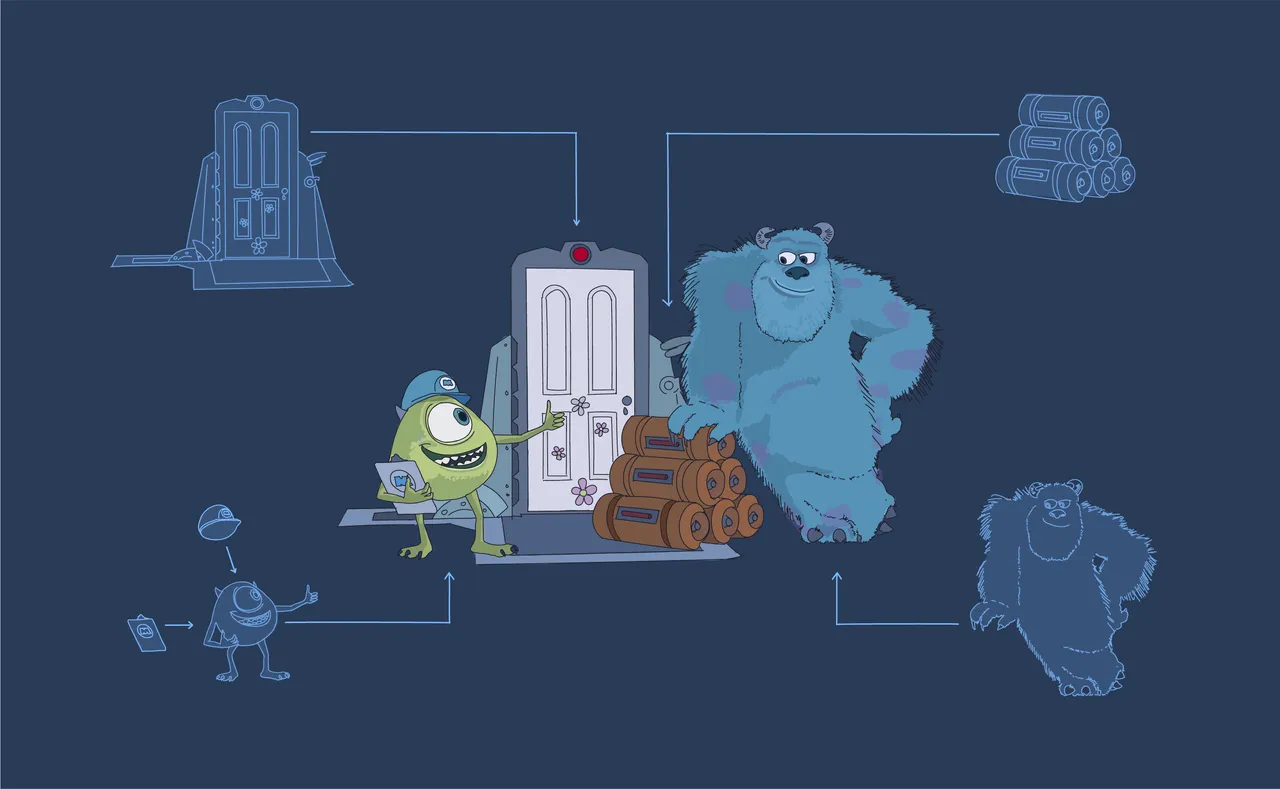
Back in 2012, Pixar Animation Studios created a data interchange format called Universal Scene Description (USD) to address this problem.
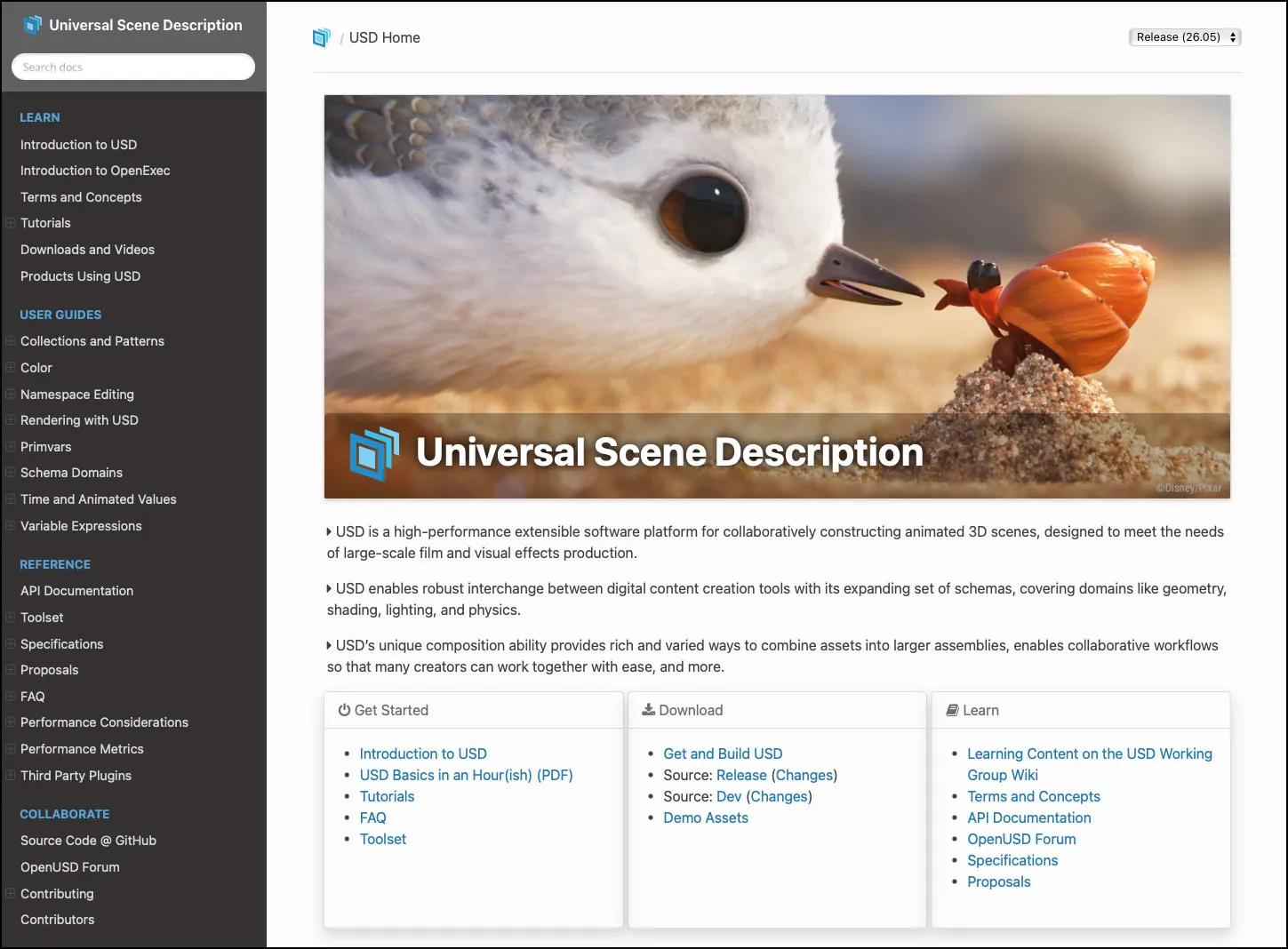
Here’s how Pixar describes USD:
USD is a high-performance extensible software platform for collaboratively constructing animated 3D scenes, designed to meet the needs of large-scale film and visual effects production.
USD enables robust interchange between digital content creation tools with its expanding set of schemas, covering domains like geometry, shading, lighting, and physics.
USD’s unique composition ability provides rich and varied ways to combine assets into larger assemblies, enables collaborative workflows so that many creators can work together with ease, and more.
Pixar open sourced USD in 2016, and increasingly it’s being adopted outside of the media and entertainment space.
USD is finding its way into Architecture, Engineering, and Construction (AEC) as a means of exporting and importing design data for digital content creation but I think many of the lessons of USD haven’t yet been fully internalized by CAD software makers.
I thought It might be useful to describe what makes USD so interesting and useful.
Why is USD Important?

Created by Pixar
USD was created by the people who had the problem to solve. USD accelerates design collaboration on projects with lots of contributors and also makes it possible for Pixar to introduce new tools and technologies into their workflow as their needs change. USD shows what good can happen when expert practitioners have the ability to create the technologies they use to drive their own creative process and make them available for adoption.

A Format for Organizational Designing
Making a 3D animated film is inherently collaborative, involving integrating the creative work product from a wide range of skills and talents. USD reduces the friction that normally comes with having to integrate the digital artifacts that are typically made with a wide variety of software applications. The easier it is to pull together all the different parts of a design, the faster the collective product can be reviewed and shaped.
Meant for Design Aggregation
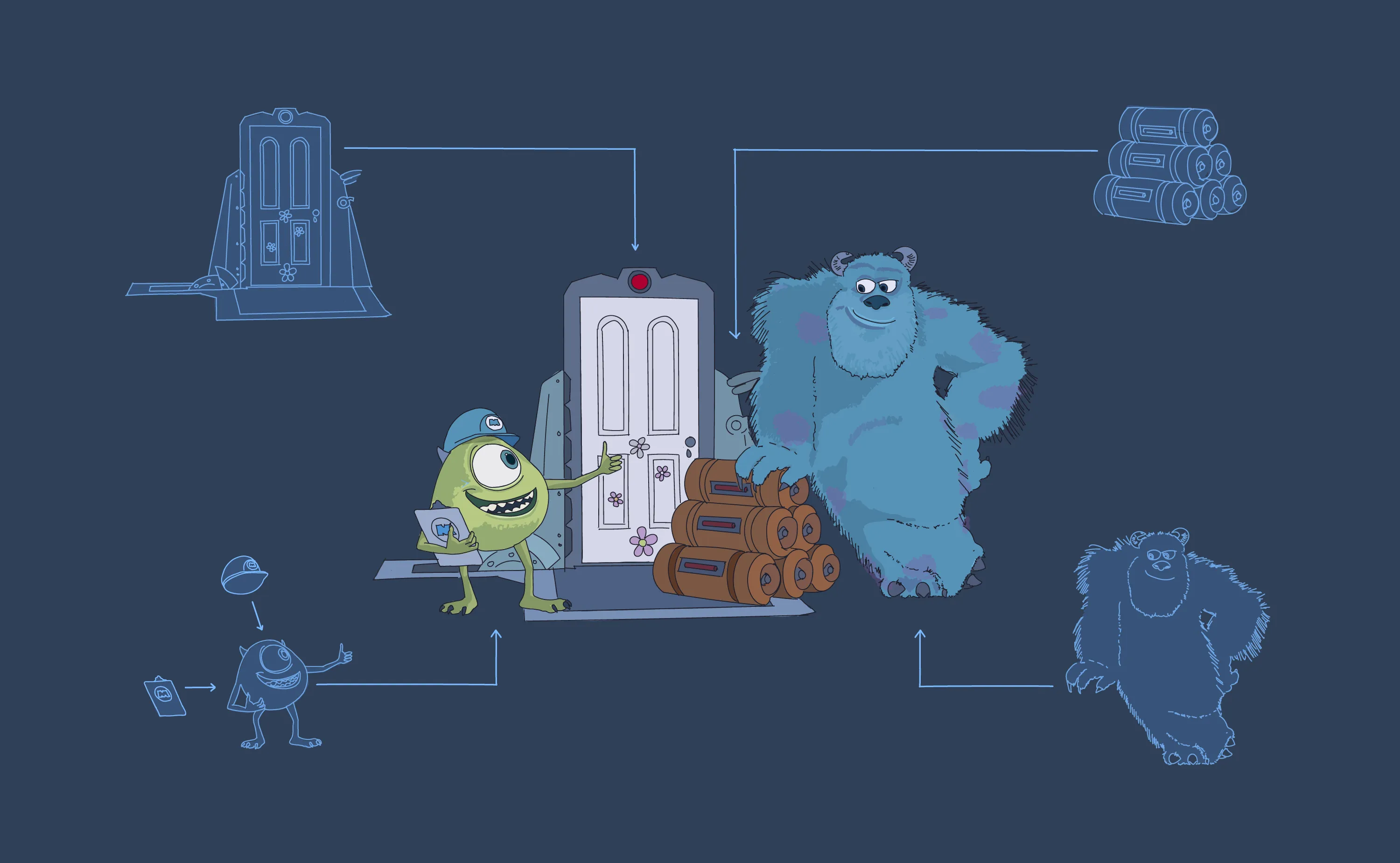
USD was engineered to be able to handle large aggregated scenes. When Pixar makes a movie, scenes can be massive and geometrically complex. USD makes it possible to integrate the different aspects of a design into one scene, and load them quickly so they can be reviewed. By contrast, the time and effort required to pull together aggregate work product in the construction industry is a massive impediment with huge financial consequences.
Enables Specialists to Collaborate
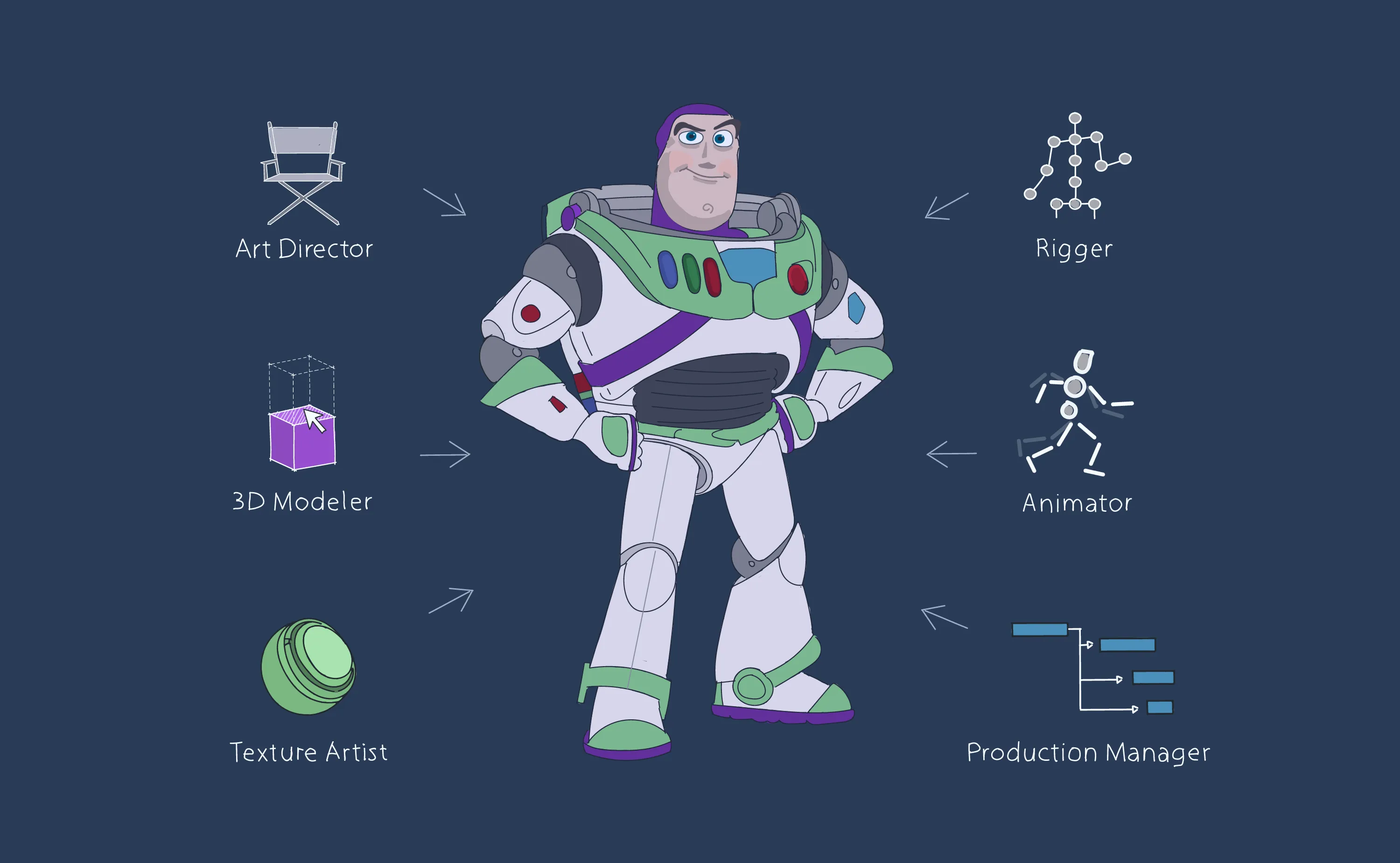
Pixar employs a wide variety of specialists to bring an animated film to life. Each specialist requires software that’s designed to facilitate the kinds of work each specialist does. It’s important that all of these specialist tools have a way to speak to one another that doesn’t require a lot of friction or data massaging. By having each of these tools be able to speak USD, each specialist tool can contribute their part but still operate independently.

Tool-Agnostic
Pixar’s storytelling is enabled through the use of different tools and technologies. As the company’s needs evolve over time, Pixar can incorporate new tools and technologies without disruption. As long as the new tools and technologies can speak USD, incorporating them is trivial. By decoupling the tools from the data, USD gives Pixar the ability to utilize whatever technologies and applications are needed to drive the creation of the story.
Change-Aware
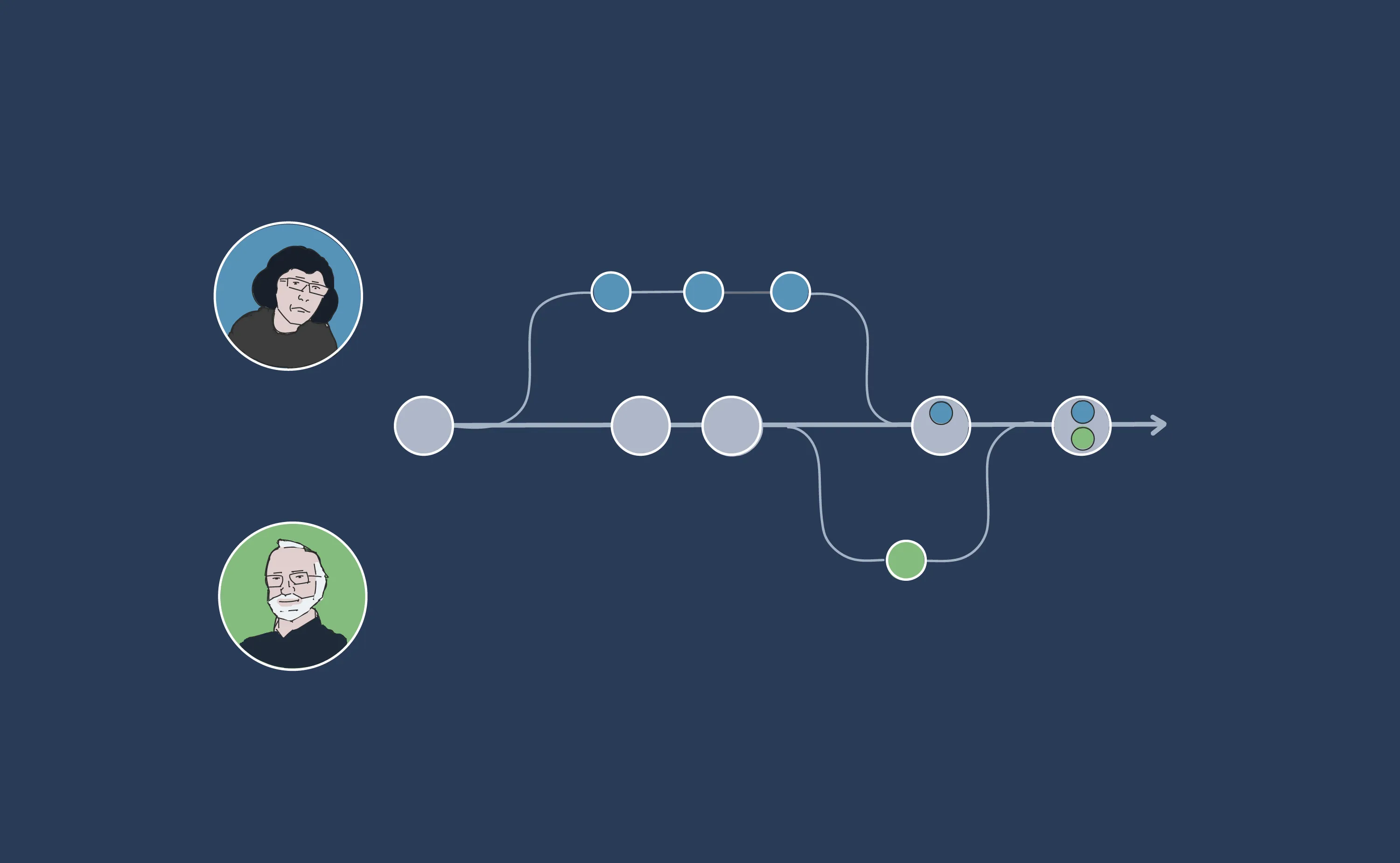
When you’re making something as complex as a Pixar film, the design of the film is going to be constantly evolving. Change-awareness is critical when the final product is the result of collaborative effort. USD’s architecture assumes change-awareness, making it possible to non-destructively evolve designs and roll back changes when they aren’t successful. Change-awareness should be built into every modern CAD application.

Facilitates Technology Evolution
As Pixar’s needs evolve over time, they can incorporate new tools and technologies without disruption. As long as the new tools and technologies can speak USD, incorporating them into preexisting workflows is trivial. The ability to quickly integrate new tools, processes, and workflows is critical for AEC companies operating in competitive environments.
Open Source
USD is open source. This has the downstream effect of encouraging software vendors to make applications that natively speak USD. Open sourcing USD also allows companies to pool their collective resources on making USD more capable over time. Everybody who participates benefits from the collective effort.

Enables New Workflow Creation
By normalizing design data, USD makes it possible to create entirely new design workflows that incorporate USD-aware tools, helping companies react to changes faster and evolve faster. A good example of this is Nvidia Omniverse which makes it possible to connect AEC CAD tools directly to simulated digital twin spaces for training physical AI.
Closing Thoughts
While a Pixar film is very different end product than a hospital, they share similarities in how they are created. Both involve large numbers of specialists that all have individual contributions to make to the collective effort. Each specialist role needs its own software and tooling. The less effort there is in integrating what they make, the easier they can contribute to the design and the better the final product will be. The faster and easier it is to pull all the disparate parts of a design together, the sooner an aggregate design can be evaluated.
When design tooling is decoupled from the data format used to organize the sum total of design decisions made to date, the easier it becomes to evolve the tooling and workflows over time. The faster a company can evolve its ways of designing and making, the more competitive it can become.
It’s also worth noting that the divisions between the design of buildings and the design of machines is blurring. It’s common in architecture to incorporate prefabricated components, and it’s even possible to see buildings manufactured on site. As the dissolving of boundaries between design disciplines continues, so tightly coupling design tools with file formats makes less and less sense. The brilliance of USD is that design tools can still be specialist tools with their own file formats, but when it comes to integrating digital work product into a larger whole, USD offers a way to share just enough to enable designing at the aggregate scale.
As computers continue to get faster, I think it’s likely that we’ll start to see AEC industries utilizing realistic real-time graphics, rendering, and simulation. These capabilities are hugely useful when attempting to understand and communicate what’s important about a complex design. When this happens, I suspect that CAD software for AEC will evolve in ways that brings them closer to the ways of designing that are now common in the media and entertainment space.
The last 40+ years of CAD software development has been largely focused on serving the needs of individual designers designing on desktop computers. I expect the next 20 will be spent serving the needs of organizational designing and making. Pixar’s USD offers many great lessons in this space.
More Reading
Future CAD Building Blocks
If we're going to evolve how we use computers to design and make complex things, we'll need to make sure we have the right building blocks in place.
APR 26, 2026
CAD's Next Shift
Computer aided design has a history of moving towards more capable substrates. How will CAD evolve next?
APR 5, 2026